Every Memorial Day weekend, Mike fires up the grill, the kids run through the sprinkler, and I end up on my knees in the backyard with dirt up to my elbows. This year was no different. Yesterday I planted the last of the beans while Rosie "helped" by burying a plastic dinosaur in the zucchini hill. It's still there. I've decided it's good luck.
This is our fourth garden, and I've killed my share of plants to get here. Carrots that never got bigger than my pinky. Broccoli that fed a small army of green caterpillars. Cucumbers that were perfect for exactly one week before beetles found them. So when a friend from church asked what she should grow in her first garden, I didn't have to think very hard. These five have never let me down.
1. Bush beans
If I could only grow one thing, it would be bush beans. The seeds are big enough for a four-year-old to handle, they sprout in about a week, and they don't need a trellis the way pole beans do. Plant them straight in the ground once the soil has warmed up, which here in Ohio means right about now.
A $2 packet gives us well over a dozen dinners' worth. The trick is to keep picking. The more you harvest, the more the plants produce, so Owen and I go out every other evening in July with a colander.
2. Zucchini
Everyone jokes about gardeners leaving zucchini on the neighbors' porches, and it's a joke for a reason. Two plants are plenty for a family of five. Three plants, which is what I planted the first year, meant I was grating zucchini into everything from muffins to meatloaf by August.
- Plant seeds in a small mound, three or four together, and thin to the strongest one.
- Give them room. Each plant spreads about three feet in every direction.
- Pick them small, around the length of your hand. The giant ones are watery and seedy.
Squash vine borers got one plant last year. I didn't catch it until it wilted overnight, so now I check the base of the stems once a week.
3. Cherry tomatoes
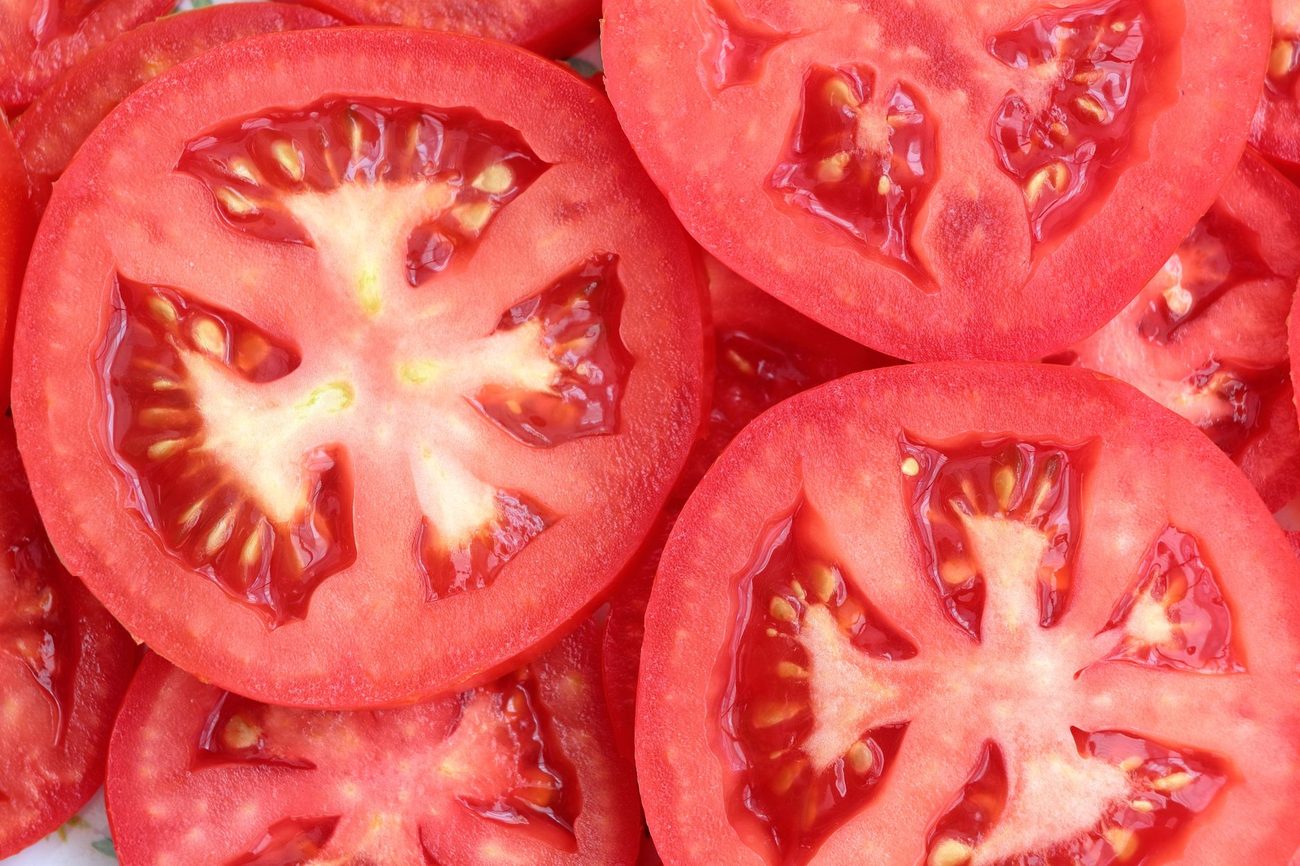
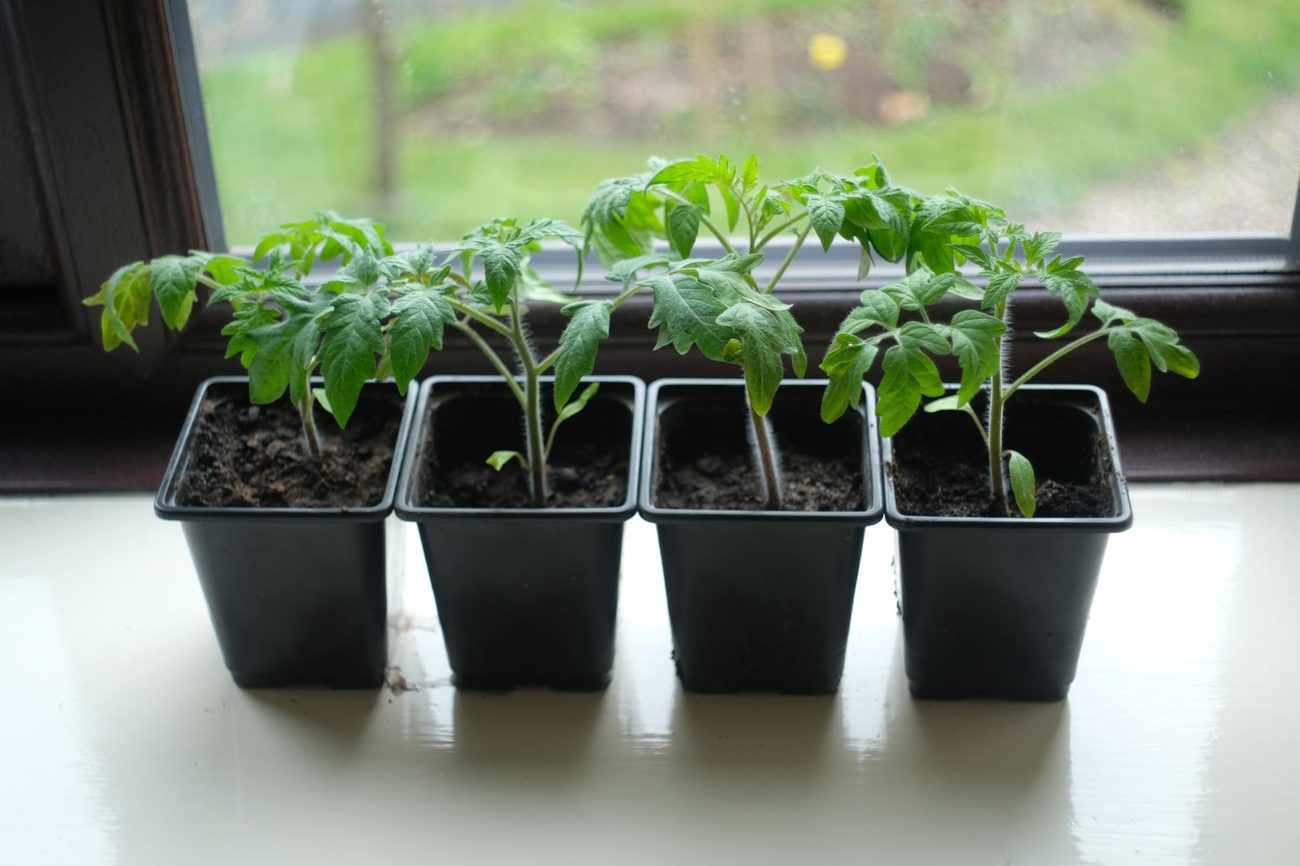
I buy these as small plants instead of starting them from seed. A single cherry tomato plant from the garden center runs a few dollars and will keep going until the first frost. Big slicing tomatoes can be fussy, split after heavy rain, and ripen all at once. Cherry tomatoes just keep coming, and my kids eat them off the vine like candy, which is the only way I've ever gotten Owen to eat a tomato willingly.
Put a stake or cage in when you plant, not later. I learned this after trying to wrestle a six-foot tomato plant into a cage in July. The plant lost.
4. Leaf lettuce
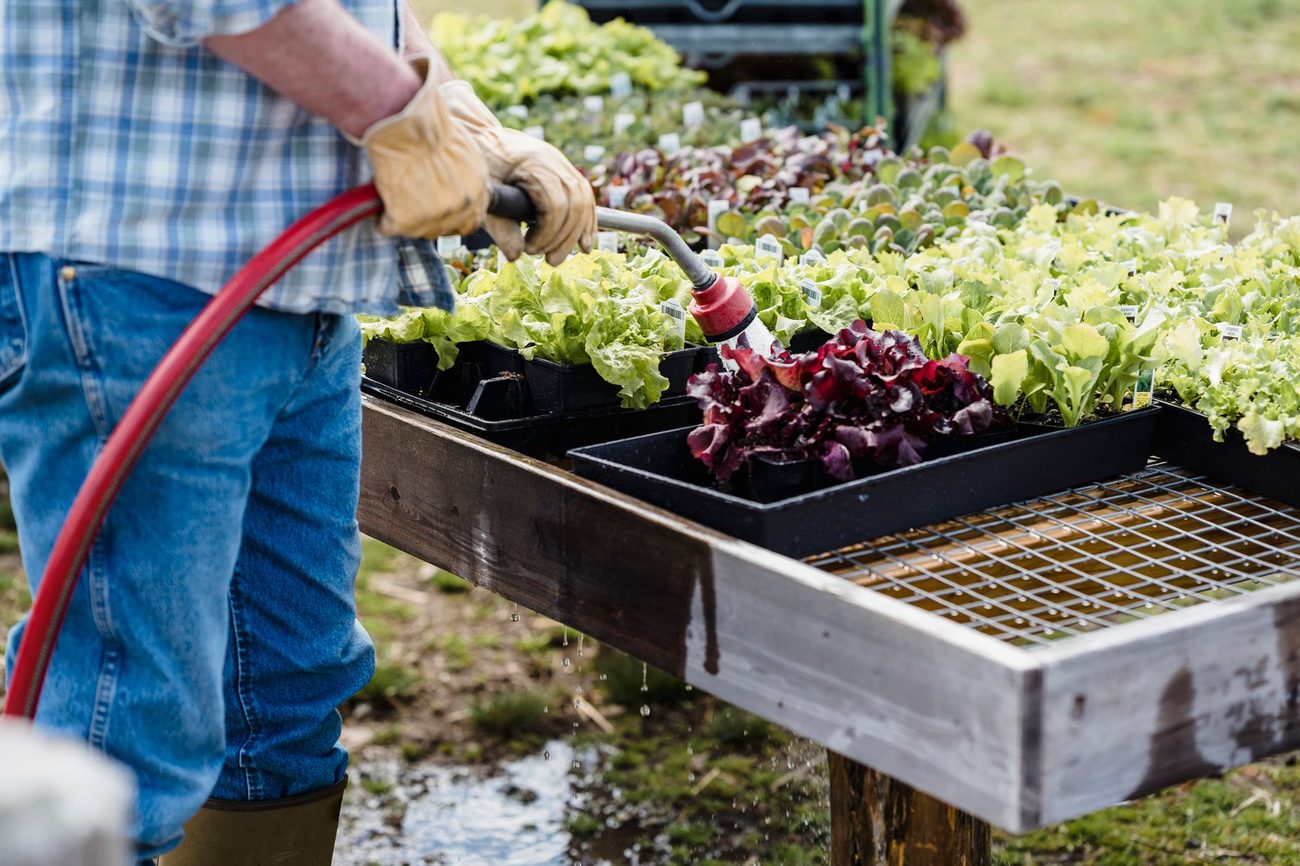
Lettuce is the one on this list that doesn't belong in a Memorial Day planting. It likes cool weather, so ours went in back in April and we've been eating it for a couple of weeks already. Loose-leaf types are the easiest because you can cut the outer leaves and let the plant keep growing.
How we stretch the lettuce season
- Sow a short row every two weeks from early April to mid-May.
- Plant it where taller crops will shade it in June.
- When summer heat makes it bitter and it starts to bolt, pull it and sow again in late August for a fall crop.
A bag of salad greens at the store is about $3 for us. From April through early June we don't buy any.
5. Radishes
Radishes are the best confidence builder I know of. They go from seed to harvest in about four weeks, which for a kid is practically instant. Ella planted our first row when she was eight, and pulling up a bright red radish she grew herself made her a gardener for life. She still doesn't like eating them much, but that isn't the point.
They also do fine in heavy soil, which matters because our yard is mostly Ohio clay. I tuck them in between slower crops so no space goes to waste.
What I'd skip the first year
Carrots need loose, deep soil to grow straight, and ours came out short and twisted. Broccoli and cabbage need protection from pests or you're growing caterpillar food. Peppers are not hard, exactly, but they're slow, and a first-time gardener wants to see results. Save those for year two.
If you're just starting out, pick three from this list, keep the garden small enough to water in ten minutes, and see what happens. I'm off to check whether the dinosaur has sprouted.