The first compost pile we ever had smelled so bad that our neighbor, a retired mailman who never complains about anything, walked over to the fence and asked if something had died. Nothing had died. It was just a heap of wet grass clippings and kitchen scraps turning into a hot, slimy mess in the corner of the backyard. The raccoons loved it. I did not.
That was a few summers ago. Our pile now sits about thirty feet from the back door, and on most days you can stand right next to it and smell nothing but dirt. The difference wasn't a fancy bin or some special product. It was learning what compost actually needs, and what it hates.
Why a Pile Stinks
From everything I've read and the mistakes I've made, a smelly pile nearly always comes down to one of three things:
- Too much "green" stuff. Grass clippings, food scraps, and coffee grounds are wet and rich in nitrogen. Pile up too much of it and it packs down and goes sour.
- Not enough air. Compost that can't breathe starts breaking down the stinky way. That rotten-egg smell is the pile telling you it's suffocating.
- The wrong scraps. Meat, bones, dairy, and greasy leftovers smell as they rot and invite every animal in the neighborhood.
Once I understood that, fixing it was mostly common sense.
What We Do Now
Lots of browns
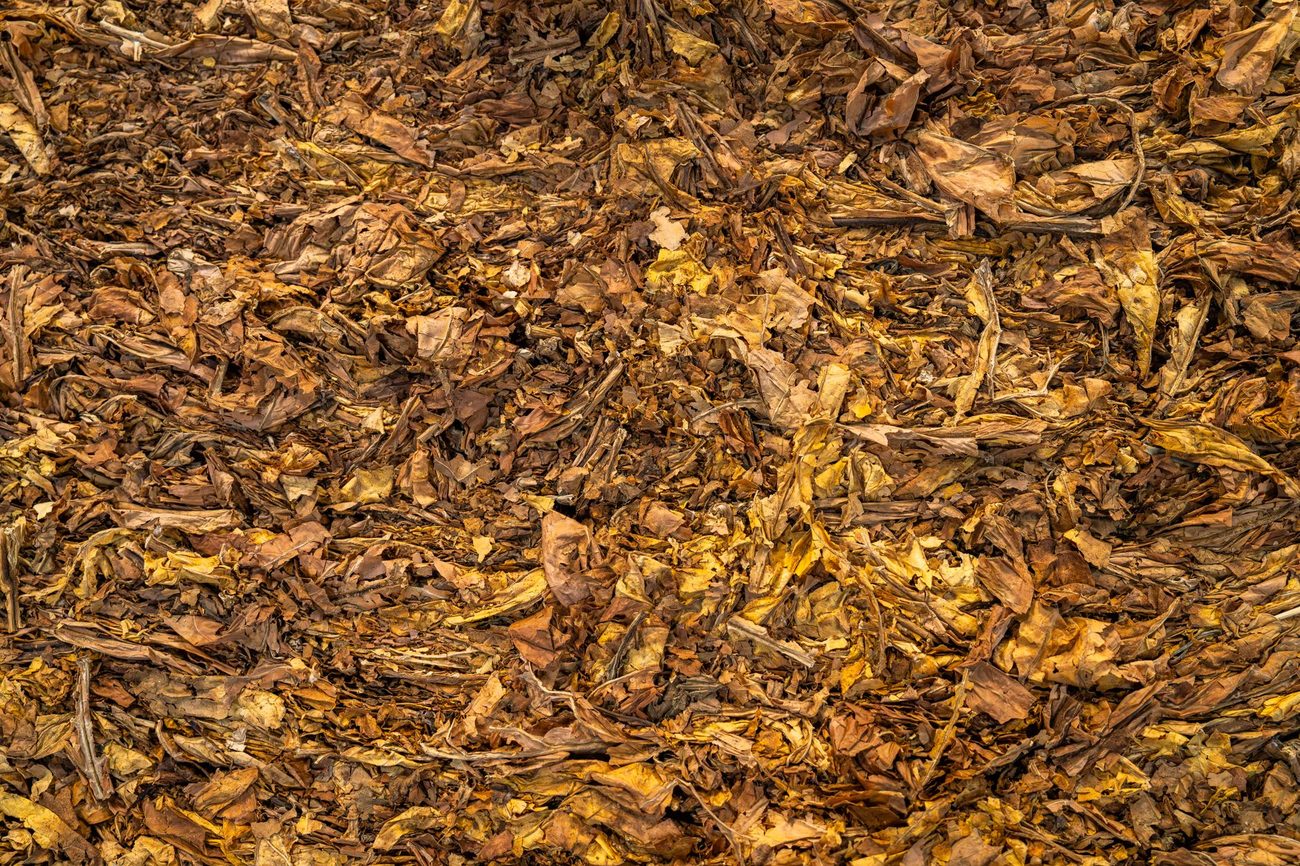
"Browns" are the dry stuff: dead leaves, shredded paper, cardboard, straw. The rule of thumb I follow is roughly two or three buckets of browns for every bucket of greens. I don't measure carefully. If the pile looks wet and shiny, it needs more browns. If it looks dry and nothing's happening, it needs more greens or a splash of water.
This is why October is my favorite month in the yard. We have three big maples, and every fall the kids rake up more leaves than we could ever use. We stuff them into trash bags and line them up along the side of the garage. That's our supply of browns for the whole next year. Every time I dump the kitchen scraps, I grab a couple of big handfuls from a bag and toss them on top.
Bury the food
Fresh scraps sitting on top of the pile are what attract flies and critters. I use a pitchfork to open a little hole in the middle, dump the scraps in, and cover them with leaves. Out of sight, no smell, no raccoon buffet.
Turn it now and then
I try to turn the pile every couple of weeks with the pitchfork, more often in summer. I'm not religious about it. Owen likes to help because he gets to find worms, which he then names.
Keep it damp, not soggy
It should feel like a wrung-out sponge. After a week of steady rain, I throw an old tarp over it. In a dry spell, I spray it with the hose.
What Goes In and What Stays Out
| Yes | No |
|---|---|
| Fruit and vegetable scraps, peels, cores | Meat, fish, bones |
| Coffee grounds and paper filters | Cheese, milk, yogurt |
| Eggshells (crushed) | Greasy or oily leftovers |
| Dead leaves, straw, shredded newspaper | Cat litter or dog waste |
| Plain cardboard, torn up (tape removed) | Diseased plants or weeds gone to seed |
| Grass clippings, in thin layers only | Glossy paper or anything plastic-coated |
Grass clippings are the ones that got me. They're fine in thin layers mixed with leaves. Dumped all at once in a giant pile, they turn into that green sludge that started this whole story.
Our Setup (Almost Free)
We don't have a store-bought bin. Mike got four wooden pallets free from a loading dock at work, and we wired them together into a square in the back corner of the yard. The gaps between the slats let air in. The total cost was a roll of wire, maybe $6.
In the kitchen, I keep an old ice cream bucket with a lid under the sink for scraps. It gets emptied every day or two, so it never gets gross. I rinse it with the hose afterward.
Is it worth it?
In money terms, it's modest. We used to buy about eight bags of garden soil and compost every spring at around $6 to $8 each. Now we buy maybe two. We also put out less trash, so the can isn't overflowing by pickup day anymore. But honestly, the best part is shoveling that dark crumbly stuff into the vegetable beds in April and knowing it used to be banana peels and last fall's leaves.
This weekend we're doing the big leaf raking. The kids think the point is jumping in the piles. I think the point is next summer's tomatoes. Somehow we're both right.