I counted cash for a living for six years as a bank teller before I moved to loan processing, so you'd think cash envelopes would have been a natural fit. They were, for about four months. Then I found a twenty-dollar bill for "fun money" wadded up in the dryer lint trap, and a gas envelope with nothing in it but a receipt and a crayon.
Over the last three years we've tried all-cash envelopes, then a paid budgeting app, and finally a mix of both. Here's what happened with each, and what we do now.
Round one: cash envelopes
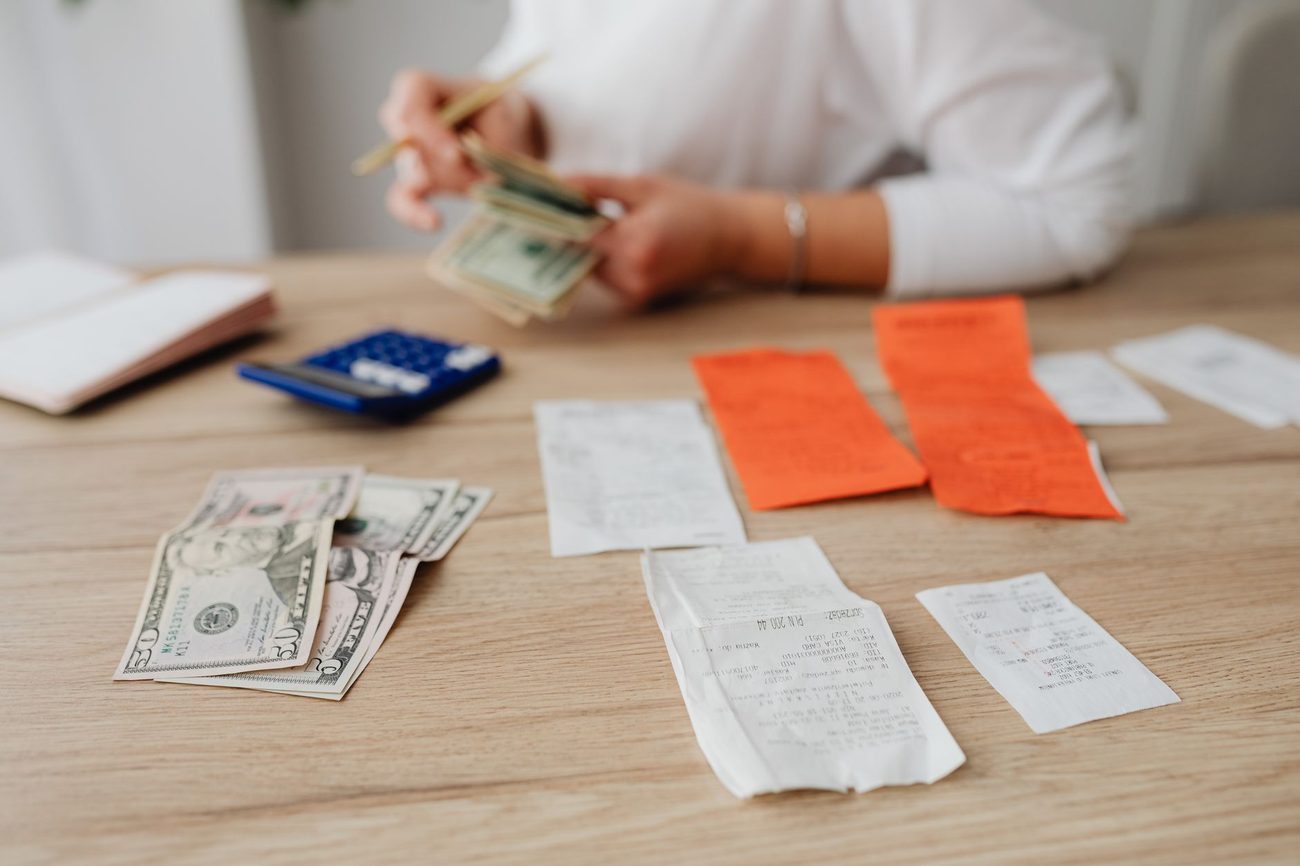
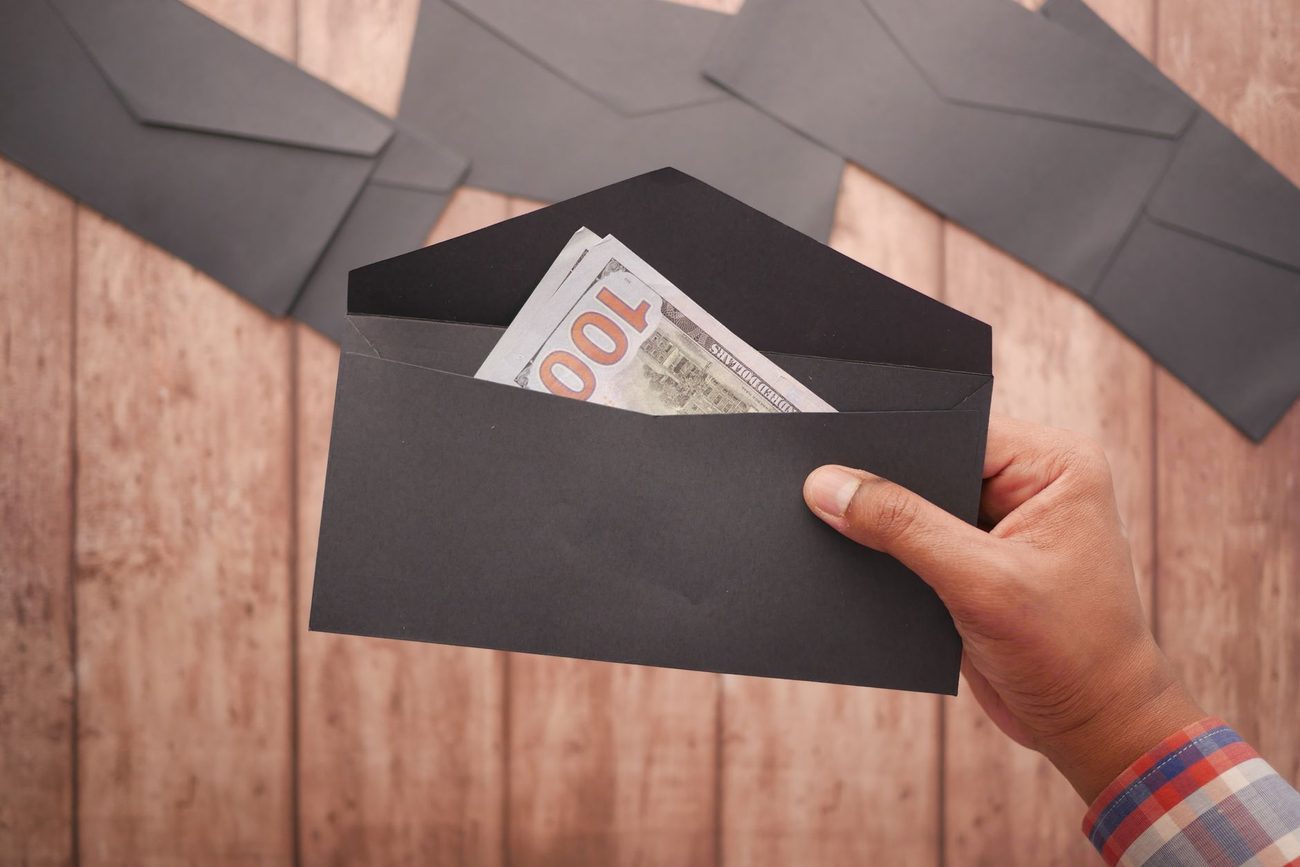
In early 2022, right after I stopped working, we went all in. Mike would cash part of his paycheck, and I'd split it into envelopes: groceries, gas, household, fun, and kids' clothes.
What worked
- Groceries. This was the big win. When there's $290 in the envelope and the cart is heading toward $310, you put things back. I have never been more decisive in the cereal aisle.
- Fun money. Watching a physical envelope get thin makes you think twice about the drive-through.
- It felt real. Swiping a card never hurt. Handing over cash did, in a useful way.
What didn't
- Gas. Paying with cash meant going inside to prepay with three kids in the van. I did it twice and gave up.
- Online purchases. Kids' shoes and some household stuff we buy online. You can't mail an envelope to a website.
- Mike. He does not carry envelopes. He carries a wallet, a pocket knife, and whatever is in his shirt pocket from work. His share of the fun money kept ending up "somewhere."
- Tracking. At the end of the month I had a pile of receipts and only a rough idea of where the money had gone.
Round two: a paid budgeting app
In 2023 we switched to a popular budgeting app that connects to your bank account. It cost about $99 a year.
What worked
- Every transaction showed up automatically. No lost receipts.
- Mike and I could both see the same numbers on our phones.
- It was great for tracking the irregular stuff, like car registration and the kids' school fees, which helped us get our sinking funds going.
What didn't
- Groceries crept up. Within three months, our grocery spending went from about $1,150 to over $1,400. With a card, the "put it back" moment never came. I'd see the damage in the app two days later, when it was too late to do anything about it.
- Categorizing got old. The app guessed wrong a lot. Giant fuel went under groceries, the vet showed up as "shopping." I spent Sunday evenings fixing it.
- The cost. Paying $99 a year to be told we spent too much at the grocery store stung a little.
What we do now: a little of both
About a year ago we landed on a hybrid that fits our house. We canceled the app and went back to a free spreadsheet, and we use cash only where it clearly works.
| Category | How we pay | Why |
|---|---|---|
| Groceries | Cash envelope | Keeps us honest at the register |
| Fun money (mine) | Cash envelope | I like seeing it shrink |
| Fun money (Mike's) | Debit card, separate account | Easier for him; I stopped fighting it |
| Gas | Debit card | Pay at the pump, keep the fuel points |
| Bills and sinking funds | Automatic transfers | Set it and check once a month |
| Online purchases | Debit card | No other way |
Every Sunday I spend about fifteen minutes entering the week's card spending into the spreadsheet and counting what's left in the envelopes. With the grocery envelope back, our grocery spending dropped to about $1,250 a month, and it has stayed there, even with prices going up.
A few small tricks that help
- I keep the envelopes in a zipper bank pouch in my purse, not loose. No more lint trap.
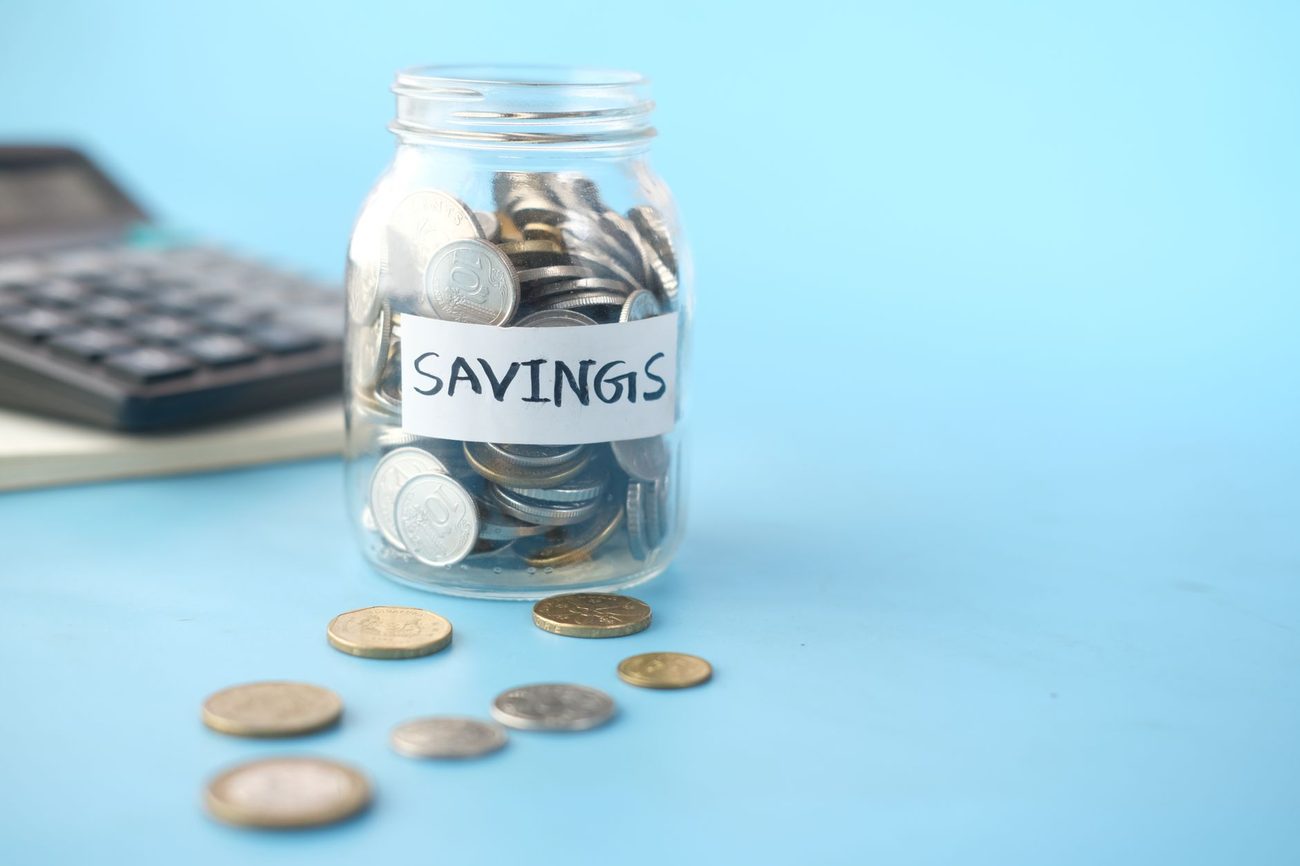
- Leftover grocery cash at the end of the month goes into a jar for a family pizza night. The kids have become fierce defenders of the grocery budget.
- I ask for small bills when I withdraw. A pile of twenties is harder to manage than fives and tens.
So which is better?
Honestly? Whatever you'll actually stick with. For us, cash works where it causes a little helpful pain, which for us means groceries and my own spending money. Everything else is easier on a card with a quick weekly check. If I were starting from scratch, I'd put just groceries on cash for two months and see what happens. That one change did more for us than any app ever did.