Last spring Owen came home from a birthday party with a goody bag, a sugar high, and a very specific demand: he needed a $30 remote-control truck, and he needed it before Saturday. When I asked how he planned to pay for it, he looked at me like I'd asked him to explain taxes. That was the moment I realized my kids thought money came out of my purse the way water comes out of the faucet.
So this summer we started the three-jar system. It's not my invention, and it's not fancy. But with school starting back up in a couple of weeks, I wanted to write down what we've learned before I forget the details, including the parts that flopped.
The Setup: Spend, Save, Give
Each kid got three clean pasta sauce jars with masking-tape labels. Ella decorated hers with washi tape. Owen drew a truck on his Save jar, which tells you everything. Rosie's labels are mostly scribbles, but she knows which is which by color.
- Spend: theirs to use however they want, within reason. Candy at the checkout, a pack of trading cards, a dollar store slime kit.
- Save: for something bigger they choose ahead of time. They write (or draw) the goal on a sticky note and tape it to the jar.
- Give: for church, the food pantry box at school, or a birthday gift for a friend.
Every payday, money gets split: half to Spend, forty percent to Save, ten percent to Give. For Rosie, who is four, we skip the math and just hand her one quarter at a time to drop in each jar.
The Chore Chart and What We Pay
This is where it gets a little tricky. We didn't want to pay the kids for every single thing, because some jobs are just part of living in a family. Nobody gets paid to put their own dirty socks in the hamper. So we split chores into two groups on the fridge chart.
Family jobs (no pay)
Making beds, clearing your own plate, picking up your room, feeding the cat. If these don't get done, the paid jobs don't count that week.
Paid jobs
| Kid | Paid jobs | Weekly max |
|---|---|---|
| Ella (11) | Unload dishwasher, fold towels, vacuum living room, help with Rosie's bath | $6 |
| Owen (8) | Take out trash and recycling, sweep kitchen, water garden | $4 |
| Rosie (4) | Match socks, wipe the lower cabinets, help set the table | $1 |
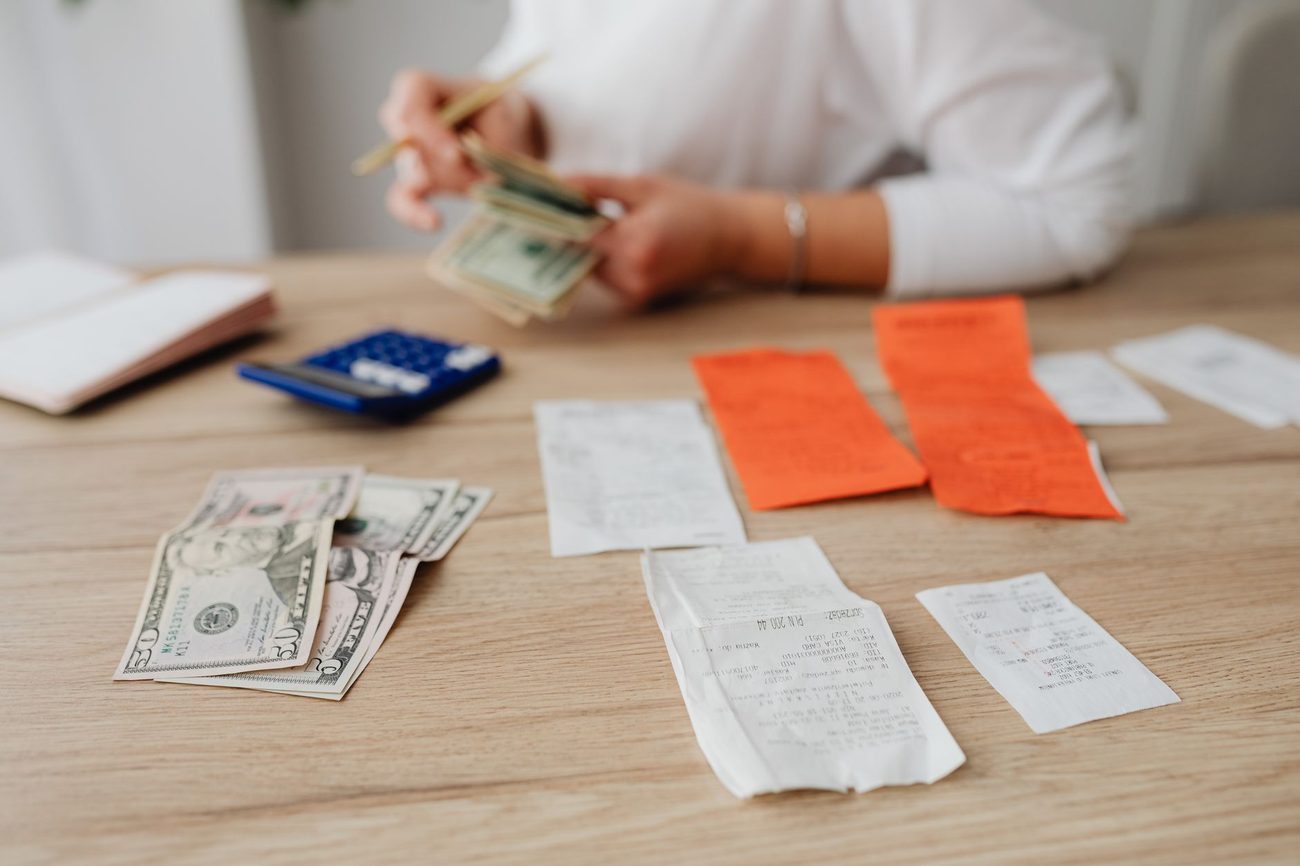
That's $11 a week, about $47 a month. I found that money by quietly cutting the stuff I used to buy them on impulse anyway: the checkout candy, the "can I get this" toy at the pharmacy, the extra book fair money. Honestly, we're probably spending less than before, and the kids feel like millionaires.
What Didn't Work at First
Our first version was a disaster. I paid per chore, a quarter here, fifty cents there, and I tracked it all on a notepad. Within a week, Owen was trying to negotiate. "How much for bringing in the mail?" Ella wanted to know if helping carry groceries was worth a dollar or just seventy-five cents. I felt like a union rep.
Switching to a flat weekly amount with a checklist fixed most of that. If your jobs are checked off by Saturday, you get paid. If not, you get part of it. No haggling over individual tasks.
The other mistake: paying in bills. Rosie doesn't understand that one piece of paper is worth four quarters. Coins, lots of them, clinking into jars, are what makes it real for little ones. I now get a roll of quarters at the bank every month.
What They've Actually Learned
Here's the part that made it worth it. Owen saved for the truck. It took him seven weeks. Around week three, he nearly blew his Spend jar on a slushie every day at the pool, and when he realized that would slow things down, he started packing water from home. I didn't say a word. He figured it out.
When he finally bought it, he checked the price at two stores first and found it $4 cheaper at the second one. I almost cried in the toy aisle.
Ella surprised me in a different way. She used her Give jar to buy school supplies for the collection bin at church. She picked out the stuff herself and compared prices on crayons, which made me very proud and a little concerned that she's turning into me.
Rosie mostly likes shaking the jars. That's fine. She's four.
For the school year, we're keeping the same system but moving payday from Saturday to Friday so they have their money before weekend errands. Ella also asked if she could earn extra by doing some babysitting of Rosie while I cook dinner. We're still figuring out what that's worth. I suspect she'll negotiate better than I do.