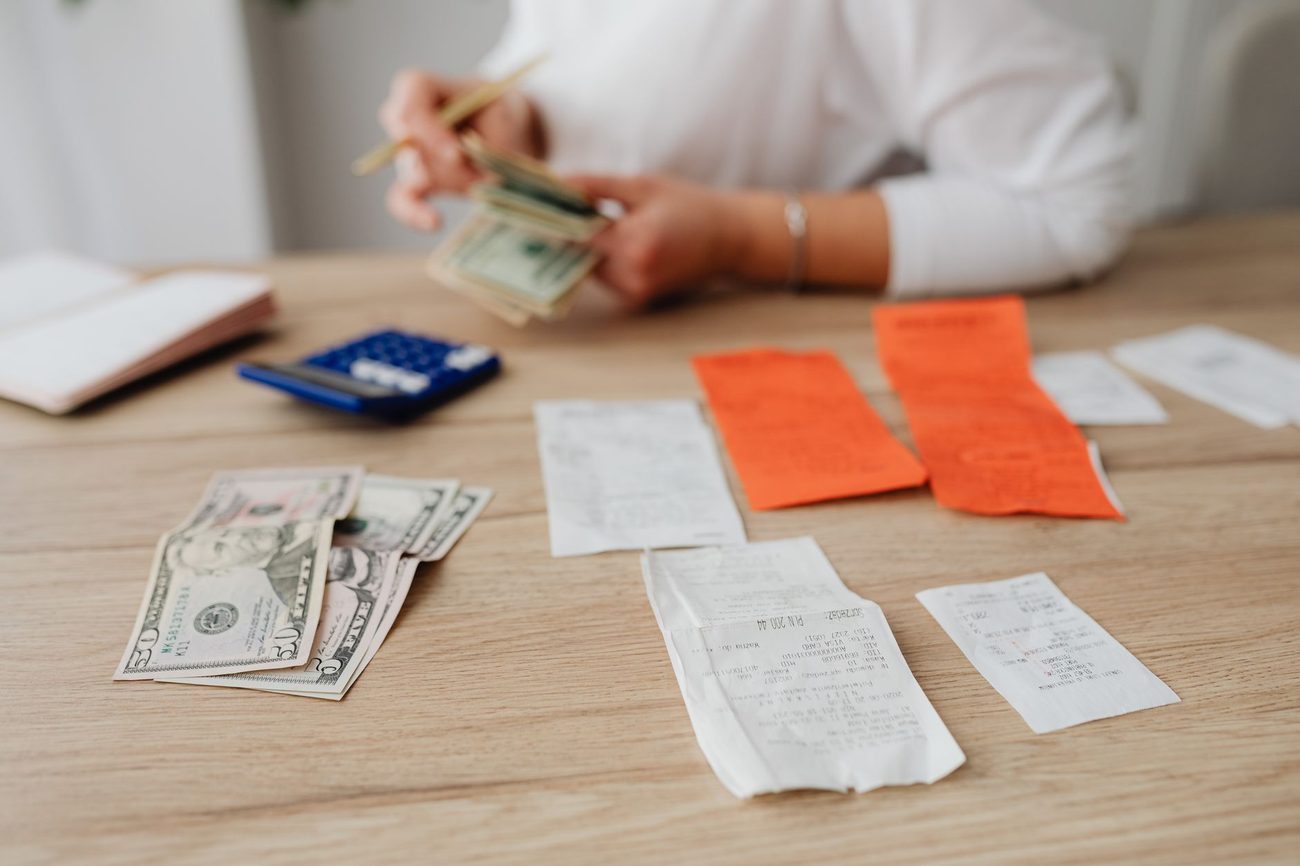
Three years ago in February, our water heater gave out on a Sunday night. There was water all over the utility room floor, three kids who needed baths, and a replacement quote the next morning of just over $1,100. We didn't have it. We put it on a credit card and spent most of that year paying it off, plus interest that still makes me grumble when I think about it.
Before I stayed home, I spent years at the teller window and later processing loans at a small community bank. I saw plenty of people come in after exactly that kind of week. You'd think I would have been better prepared. But knowing something and living it on one income with three kids are two very different things.
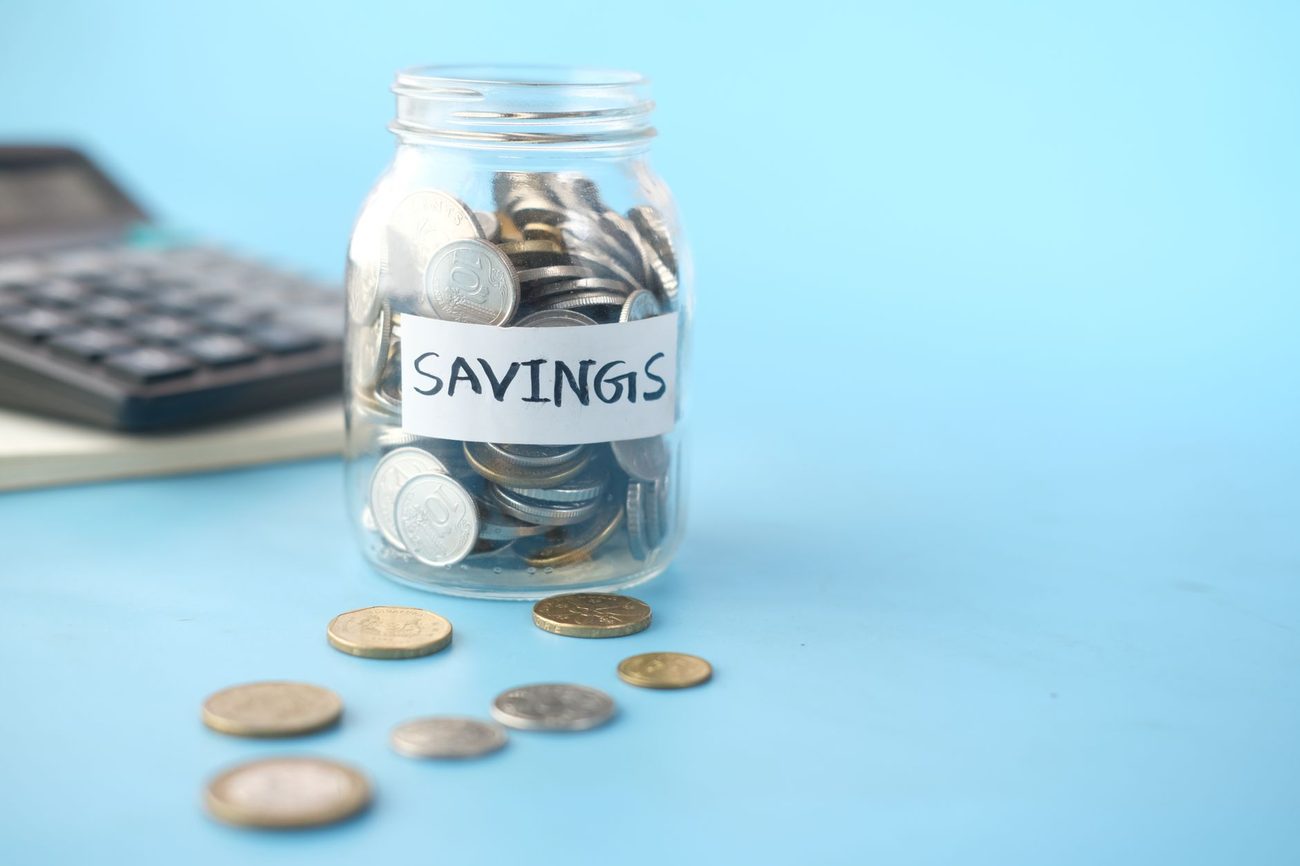
So after the water heater, I set a goal: $1,000 sitting in savings, just for true emergencies. It took us about nine months. Here's how we did it, and I'll say up front that this is just what worked in our house, not advice for yours.
Why $1,000?
A lot of people talk about three to six months of expenses, and that's a fine long-term goal. But when you're starting at zero, that number feels like climbing a mountain in flip-flops. A thousand dollars felt possible. It covers most of the surprises we actually get: a car repair, a trip to urgent care, a broken appliance, a surprise vet bill.
Where the Money Came From
We didn't have $100 a month sitting around. We found it in small pieces.
1. A separate account I couldn't see
I opened a free savings account at a different bank than our checking. That way it doesn't show up when I log in to pay bills, and moving money back takes a day or two. That little delay has saved us from "borrowing" from it for pizza more than once.
2. An automatic $20 a week
Every Friday, the day after Mike's payday, $20 moves over automatically. That's about $87 a month. It's small enough that we don't feel it, and I don't have to remember.
3. Selling stuff
I sold the baby swing, the double stroller, a high chair, and a box of Mike's old hunting gear he admitted he'd never use again. Total: $265 on local buy-and-sell groups over a couple of months.
4. Every "extra" dollar went in
- Rebates and cash-back from the grocery app: about $8 a month
- Birthday money that Mike's mom sends to "the two of you": $50
- Mike's occasional overtime at the plant: whatever was left after bills, usually $40 to $80
- Coming in under our grocery budget: whatever was left the last week of the month
5. Part of the tax refund
This was the big jump. We put $300 from our refund straight into the fund, and yes, I wanted to spend it on a new couch. The couch can wait.
| Source | About how much (9 months) |
|---|---|
| Automatic $20 weekly transfer | $780 |
| Selling baby gear and odds and ends | $265 |
| Tax refund portion | $300 |
| Overtime, rebates, gifts, grocery leftovers | $290 |
| Total | $1,635 |
Wait, that's more than $1,000? Right. We had to dip into it twice along the way: once for Owen's ear infection and urgent care visit, once when the dryer quit and needed a new heating element. That's the whole point of the fund. It's supposed to get used. We just kept going until the balance hit $1,000 and stayed there.
The Rules We Made
Mike and I sat down and agreed on what counts as an emergency so we wouldn't argue about it later:
- Yes: car repairs, medical bills, broken appliances we can't live without, a sudden drop in income.
- No: Christmas, birthdays, vacations, sales, or "we deserve it."
That second list gets tested every December. With Christmas two weeks away, I'll admit I've stared at that balance and thought about how much easier the shopping would be. But Christmas isn't a surprise. It comes on the same day every year. We now keep a separate little Christmas fund that we add to all year long, and that's what pays for presents.
And if we use the emergency fund, the first thing we do is start refilling it the next payday, even if it's $20 at a time.
How It Feels Now
Last month the pickup's alternator went out. Mike called me from the parking lot at work, and instead of my stomach dropping, I just said, "Okay, the fund's got it." That's what $1,000 buys you. Not riches, just a calmer phone call.
Our next goal is to slowly build it toward one month of our basic bills. It'll take a while. But the $20 every Friday is still going, and now I barely notice it's gone.