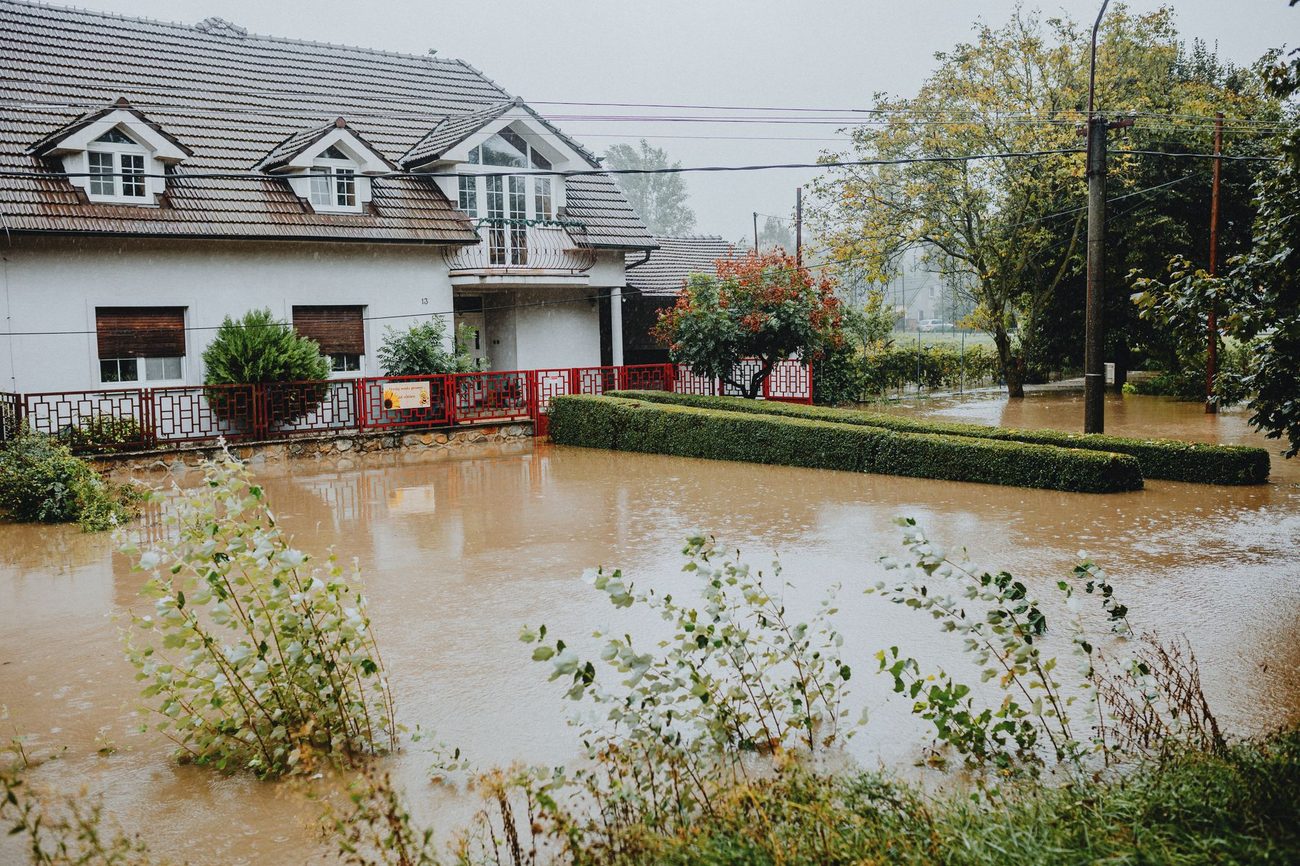
In May, after three straight days of heavy rain, our neighbor two doors down had about four inches of sewage-tinged water come up through the floor drain in her basement. It ruined the carpet, the washer and dryer, and a shelf full of her kids' baby photos. When she called her insurance company, she learned her homeowners policy didn't cover it. Water backing up from a sewer or drain was excluded unless she'd added a specific extra coverage. She hadn't known that option existed.
That night I dug our own policy out of the filing cabinet. Like most people, I had filed it without reading past the first page. It took me about an hour with a highlighter and a cup of tea, and I found out we had the exact same gap.
Start with the declarations page
The declarations page, usually the first page or two, is the summary of your policy. If you read nothing else, read this. It lists:
- Coverage A, Dwelling: the amount to rebuild your house itself.
- Coverage B, Other structures: detached garages, sheds, fences. Often a percentage of Coverage A.
- Coverage C, Personal property: your belongings, from furniture to clothes.
- Coverage D, Loss of use: extra living expenses if you have to move out during repairs, like a hotel or rental.
- Coverage E and F, Liability and medical payments: if someone is injured on your property or you damage someone else's.
- Deductibles: what you pay before coverage kicks in.
Those letter labels are common on standard policies, though not every insurer uses them the same way.
Questions I asked while reading ours
Would the dwelling amount actually rebuild our house?
Coverage A should reflect what it would cost to rebuild, not what the house would sell for. Those can be very different numbers. Construction costs have gone up a lot in the past few years, and I wanted to know whether our coverage had kept up. Some policies include an automatic inflation adjustment each year; ours did, but it's worth checking.
Replacement cost or actual cash value?
This one surprised me. Replacement cost pays what it costs to replace something with a new, similar item. Actual cash value subtracts depreciation, so a ten-year-old couch might be worth very little. Our dwelling coverage was replacement cost, but I had to look closely to see how personal property was handled. Some policies also treat roofs differently depending on their age.
What's the deductible for wind and hail?
Some policies have a separate deductible for wind or hail damage, sometimes a percentage of the dwelling coverage rather than a flat amount. On a house insured for $250,000, a 2% deductible would be $5,000, which is a very different number than the $1,000 you might assume. Ours turned out to be flat, but I'm glad I checked.
The exclusions section is where the surprises live
Standard homeowners policies typically exclude a handful of big risks. Common ones include:
- Flooding from rising surface water, which generally requires a separate flood policy.
- Earthquakes and earth movement.
- Sewer and drain backup, unless you add an endorsement for it.
- Wear and tear, mold from long-term leaks, and pests. Insurance is meant for sudden accidents, not maintenance.
Our house has a basement with a floor drain and a sump pump, just like our neighbor's. So I called our agent and asked about adding water backup coverage. The endorsement added about $60 a year to our premium and came with its own coverage limit, which I made sure to write down. Our whole premium runs about $1,350 a year through our mortgage escrow, so this was a small bump for a big peace of mind.
Keep a record of what you own
While I had everything out, I did one more thing: a slow walk through the house with my phone, recording a video of every room, opening closets and drawers and narrating as I went. "This is the TV, we bought it two Christmases ago." It took twenty minutes. If we ever needed to file a claim for our belongings, I wouldn't have to rely on memory.
I'm not an insurance expert, and policies vary a lot between companies and states, so the details of yours may look different. If something in your policy is confusing, asking your agent to explain it is free. What I learned is that an hour of reading now is much easier than learning what's covered while you're standing in water. I've put a reminder on my calendar to reread ours every June when the renewal comes.